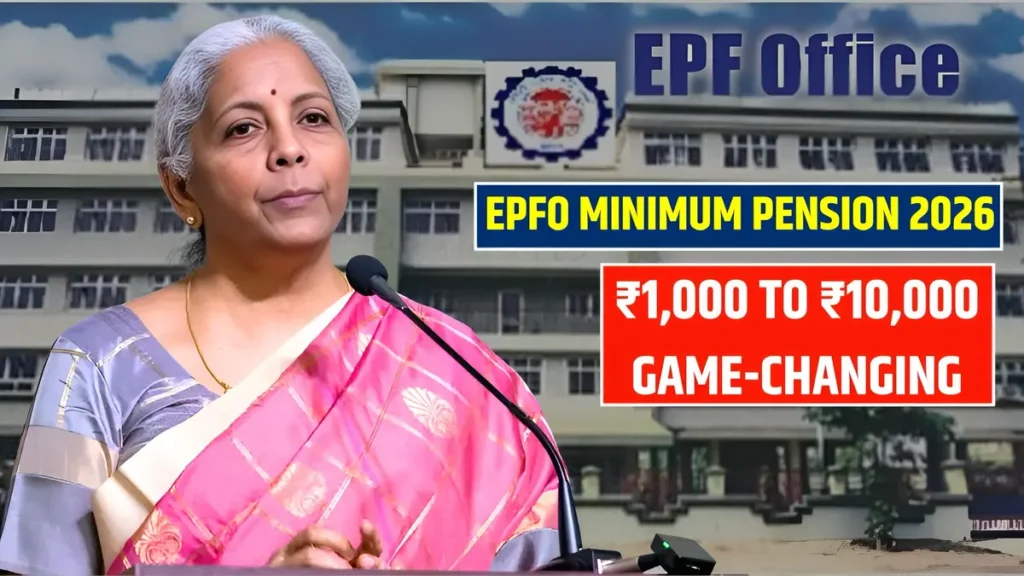
EPFO Pension Boost 2026: Retirement planning has become one of the biggest financial concerns for working families across India. For millions of private-sector employees who depend on the Employees’ Pension Scheme after decades of service, the monthly pension often determines their standard of living. In 2026, discussions around a potential increase in the minimum EPS pension to ₹10,000 have brought renewed attention to retirement security.
The proposed revision, if approved, could mark one of the most significant pension reforms in recent years. Here is a complete and fresh look at what this possible EPFO pension boost means, why it matters, and how it could impact current and future retirees.
Pension Hike Buzz Gets Louder
The conversation around raising the minimum pension under the Employees’ Pension Scheme has intensified in recent months. Pensioners’ associations have repeatedly urged policymakers to review the current minimum amount, calling it outdated and insufficient. With inflation steadily rising and healthcare costs climbing sharply, the pressure for reform has grown stronger.
The idea of increasing the minimum pension to ₹10,000 is being seen as a major relief step. While official confirmation is still awaited, the growing public discussion suggests that pension reform is firmly on the policy radar for 2026.
Why ₹1,000 No Longer Works
The existing minimum pension of ₹1,000 per month has remained unchanged for years. In today’s economic environment, this amount barely covers a fraction of essential expenses. Basic groceries, electricity bills, and medical needs alone often exceed several times this figure.
Senior citizens depending solely on EPS payments frequently face financial stress. Many retirees rely on family members or additional savings to manage daily costs. A significant increase to ₹10,000 would better reflect current living standards and provide a more realistic safety net for aging workers.
How The EPS System Operates
The Employees’ Pension Scheme is linked to the broader provident fund structure. Both employer and employee contribute to the provident fund, with a portion of the employer’s share directed toward the pension scheme. To qualify for pension benefits, an individual must complete at least ten years of eligible service.
The pension amount is calculated based on pensionable salary and the number of service years. However, the minimum pension provision ensures that even those with lower salary brackets receive a base payout. This is the part currently under review for possible enhancement.
What ₹10,000 Could Change
If the minimum pension rises to ₹10,000, the change could dramatically improve the financial independence of millions of retirees. For many elderly citizens, a higher guaranteed monthly income would mean better access to healthcare, improved nutrition, and reduced dependence on family support.
Beyond financial stability, such a revision could also restore dignity to retirement. After contributing to the workforce for decades, workers expect a pension that aligns with modern economic realities. A higher minimum amount would send a strong signal that their contribution is valued.
Budget Impact And Funding Questions
Any significant increase in pension payouts requires careful financial planning. Raising the minimum pension to ₹10,000 would increase the overall expenditure under the scheme. Policymakers may need to explore additional funding mechanisms or budget allocations to ensure sustainability.
Financial experts emphasize that long-term viability must be considered alongside social welfare goals. The balance between supporting retirees and maintaining the stability of the provident fund system will play a key role in final decision-making.
Inflation Driving Policy Pressure
Inflation has steadily reduced the purchasing power of retirees. Over the past decade, the cost of essential goods and services has increased sharply. Medicines, hospital visits, and routine medical tests now represent a major portion of senior citizens’ monthly expenses.
Pensioners’ groups argue that the minimum pension must be aligned with inflation trends. Regular reviews linked to cost-of-living changes could prevent similar situations in the future, where pension amounts remain stagnant for extended periods.
Relief For Vulnerable Retirees
The proposed hike would be especially beneficial for low-income retirees who do not have alternative sources of income. Many private-sector employees do not receive additional retirement benefits beyond EPF and EPS.
For widows and dependent family members receiving survivor pensions, an increase could also offer greater financial stability. Improved pension payouts may reduce financial vulnerability among elderly households and contribute to broader social security goals.
Impact On Future Workforce
A stronger pension structure can influence how current employees view long-term savings. When workers see meaningful post-retirement benefits, they are more likely to remain within formal employment systems and continue contributing regularly.
The possibility of a higher minimum pension may also encourage better retirement planning awareness among younger employees. Confidence in the pension system strengthens trust in institutional savings mechanisms, which benefits the overall economy.
Clarity Awaited From Authorities
Despite widespread discussions, an official notification confirming the ₹10,000 minimum pension has not yet been released. Policy proposals typically require approvals, financial assessments, and formal announcements before implementation.
Retirees are advised to monitor official communications rather than rely on informal reports. Once a final decision is made, detailed guidelines regarding eligibility, effective dates, and payment adjustments are expected to follow.
Could 2026 Be A Turning Point
The year 2026 could become a landmark moment for pension reform if the proposed hike moves forward. With increasing public attention on social welfare measures, strengthening retirement income security has become a significant policy theme.
A meaningful revision would not only address immediate financial concerns but also reshape long-term retirement expectations for millions of workers. It could mark the beginning of a more responsive and inflation-sensitive pension framework.
Final Verdict On EPFO Pension Boost
The proposal to raise the minimum EPS pension to ₹10,000 represents more than just a numerical increase. It reflects growing awareness of the challenges faced by retired workers in a rapidly changing economy. While confirmation is still pending, the discussion itself highlights the urgency of pension reform.
If approved, the pension boost in 2026 could bring substantial relief to millions of families and redefine retirement security standards in India. Until official announcements arrive, pensioners and contributors alike remain hopeful that meaningful change is on the horizon.
Disclaimer: This article is for informational purposes only. Pension revisions are subject to official government approval and notification. Readers should verify details through authorized sources before making financial decisions.